Achilles problems don’t happen in slow motion, even if many patients describe that surreal moment when the back of the heel “popped” and time seemed to stall. As a foot and ankle surgeon who has treated hundreds of Achilles injuries, I think about two distinct groups who walk into clinic. The first is the weekend athlete who sprints for a drop shot and feels a snap like a rubber band breaking. The second is the steady ache crowd, often runners or people who stand all day, whose tendon complains more each month until stairs and morning steps turn into negotiation. Both groups worry about surgery. Both want to get back to their lives with as little downtime, scarring, and recurrence risk as possible. The path is different for each, and it starts with a careful diagnosis.
Where the Achilles Fails and Why It Matters
The Achilles tendon is the thick cable at the back of the ankle, formed by the gastrocnemius and soleus muscles. It stores and releases energy with each step, which is partly why it’s so strong and also why it’s vulnerable. The two main problem categories are acute tears and chronic tendinopathy. Tears can be complete or partial, and they usually happen two to six centimeters above the heel bone, an area with relatively less blood supply. Tendinopathy shows up as pain and thickening either mid-portion, about three to seven centimeters above the heel, or at the insertion, right where the tendon meets the calcaneus.
Why we care about location: mid-portion tendinopathy behaves differently than insertional disease. Mid-portion issues respond better to eccentric loading programs, while insertional problems often need modified loading and sometimes different surgical strategies because of the bony interface and frequent spur formation. If a foot and ankle specialist skips these nuances, recovery drags out or stalls.
Getting to an Accurate Diagnosis
Most Achilles ruptures can be diagnosed in the exam room. The Thompson test, where the calf is squeezed while you lie prone, should point your foot downward. If it doesn’t, the tendon may be torn. There is often swelling, a palpable gap, and difficulty pushing off. That said, partial tears and chronic degenerative changes can muddy the waters. Ultrasound is fast and accurate in skilled hands, and it helps measure the gap with the ankle in different positions. MRI offers detail on tendon quality, partial tearing, and insertional changes like calcifications. I don’t order MRI for every rupture, but I use it when the story is unclear, when I’m considering different surgical options, or when nonoperative care has failed and I need to plan a reconstruction.
Biomechanics matter. A foot and ankle doctor should check calf length, hindfoot alignment, and midfoot stability. A rigid high arch can overload the tendon. A flat foot with heel valgus can do the same. Addressing the tendon without addressing alignment is like fixing a frayed rope and pinning it back on the same sharp edge.
Nonoperative Care for Tendinopathy: When Patience Pays
Most patients with tendinopathy improve without surgery. The key is a structured plan, not random rest and occasional stretches. I use staged protocols tailored to mid-portion or insertional disease.
For mid-portion tendinopathy, a heavy-slow resistance or eccentric loading program is the backbone. Think three to four sets of controlled heel drops and raises, three days a week, for at least 12 weeks. Progression in load is more important than fancy gadgets. Expect discomfort early on, then gradual improvement around week four to six. Runners who follow the plan often return to steady mileage by three months, sometimes sooner.

Insertional tendinopathy can flare with deep dorsiflexion, so the exercise routine changes. We avoid dropping the heel below neutral and build strength in that protected range. A small heel lift can be helpful for six to eight weeks while symptoms cool off. When there is a bony spur, friction becomes a driver of pain. In those cases I combine protected loading with shockwave therapy and, occasionally, a short course of immobilization.
What about injections? Corticosteroid into the Achilles tendon carries a rupture risk, and I avoid it. For paratenon inflammation, a carefully placed injection around the tendon sheath may help, but I reserve this for select cases. Platelet-rich plasma remains debated. I’ve seen patients improve with it, particularly for mid-portion disease, but results vary and protocols differ. If used, I pair it with a disciplined loading plan. Topical nitroglycerin patches can reduce pain in some patients, though skin irritation is common.
Shoes matter. Stable trainers with a modest heel-to-toe drop reduce tendon strain. Minimalist shoes magnify load and are a poor choice during recovery. Custom orthotics or off-the-shelf inserts can help patients with flat feet or forefoot overload, and a foot biomechanics specialist can dial this in further.
When a patient commits to three months of structured care and still has significant pain or can’t meet their activity demands, I start discussing procedures.
Nonoperative Care for Acute Rupture: Is Surgery Always Necessary?
Not always. Over the last decade, functional rehabilitation protocols have shown that many acute ruptures can be treated without surgery while achieving rerupture rates similar to operative repair, provided the program is rigorous and started promptly. This means early protected range of motion, weight bearing in a boot with wedges, and a monitored progression to neutral positioning over six to eight weeks. The foot and ankle orthopedist or podiatric surgeon guiding this care should track tendon end apposition with ultrasound and ensure the rehab team understands the timing.
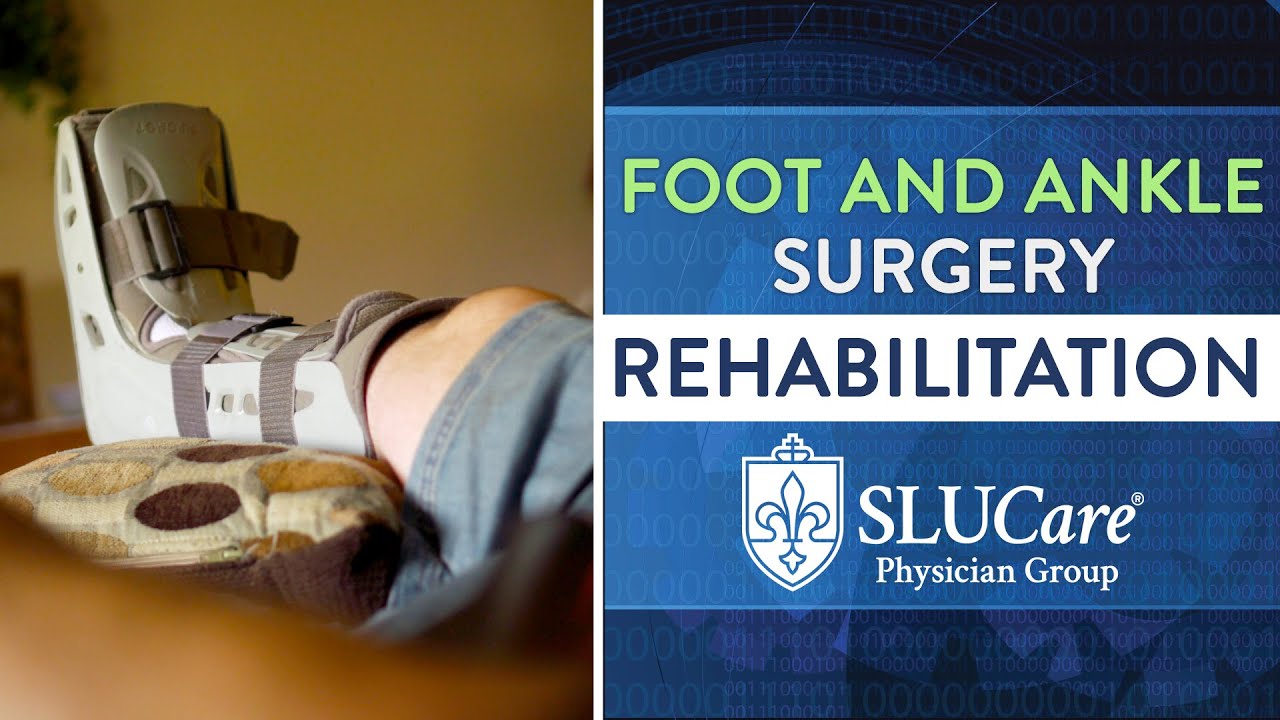
Where nonoperative care can fall short is in patients with high athletic demands, large tendon gap on imaging, or delayed presentation. Patients with poor adherence to bracing and rehab also do worse. In these situations, operative repair often gives a stronger, more reliable outcome.
When Surgery Enters the Conversation
Surgery is a tool, not a default. I talk through risks, benefits, and realistic timelines. People want to know when they can walk, drive, and return to sport. The specifics depend on the procedure, but a general expectation for Achilles repair or debridement includes two weeks in a splint or boot, gradual weight bearing within the first month, and a three to six month arc to return to running, sometimes nine to twelve months for explosive sport at preinjury level.
The choice of operation depends on diagnosis and tendon quality:
- Acute rupture repair: open, mini-open, or percutaneous Chronic rupture reconstruction: V–Y lengthening, turndown flaps, flexor hallucis longus transfer Mid-portion tendinopathy: debridement of degenerative tissue, paratenon release, possible gastrocnemius recession if calf contracture contributes Insertional tendinopathy: debridement of diseased tendon, excision of calcaneal spurs, reattachment of the tendon with suture anchors, possible Haglund prominence removal
Acute Rupture: Open vs Minimally Invasive Repair
In the operating room, the goal is to restore tendon continuity under appropriate tension and preserve blood supply. Mini-open and percutaneous devices allow strong suture passage through small incisions, reducing wound complication risk. An open approach, using a carefully planned medial or posteromedial incision, remains valuable when the tear pattern is complex or when I want direct visualization for precise suture placement. Meta-analyses suggest similar rerupture rates across techniques when modern rehab is used. Wound issues are slightly higher with open repairs, while sural nerve irritation is a bit more common with percutaneous techniques. In my practice, a well executed mini-open repair strikes the balance for most acute tears.
Tensioning matters more than incision size. Over-tighten and the ankle loses dorsiflexion; under-tighten and push-off strength suffers. I position the foot to match the contralateral resting tension, then check Thompson response intraoperatively. A sports foot and ankle surgeon who respects these details protects the return to sprinting and jumping later on.
Chronic Rupture: When the Calf Has Shortened and the Gap Is Large
A rupture missed for more than four to six weeks changes the equation. The tendon ends retract and scar, the calf shortens, and the gap widens. If the gap is small, a V–Y advancement of the gastrocnemius aponeurosis can bring healthy tendon down to the heel. For bigger gaps, I often use a flexor hallucis longus (FHL) tendon transfer. The FHL runs adjacent to the Achilles, has similar line of pull, fires in late stance phase, and offers reliable augmentation. Most patients don’t notice loss of big toe push-off during daily life. High-level ballet dancers or forefoot-dominant sprinters are the exceptions where I weigh alternatives or combine techniques.
Mid-portion Tendinopathy Procedures: Less Is More
Surgery for mid-portion disease aims to remove degenerative tissue, release a thickened paratenon that constricts blood flow and glide, and stimulate healing. Sometimes I add small longitudinal incisions in the tendon to encourage vascular ingrowth. When calf tightness drives overload, a gastrocnemius recession can offload the tendon by reducing dorsiflexion strain. I reserve this for patients who fail a complete nonoperative course and show a clear Silfverskiöld positive exam, meaning adequate dorsiflexion with the knee bent but limited with the knee straight.
Outcomes are usually excellent when indications are right. Runners often get back to mileage in the three to six month window. The common pitfall is doing too much debridement, which can weaken the tendon, or ignoring adjacent issues like hindfoot valgus.
Insertional Tendinopathy: Bone, Bursa, and Reattachment
Insertional disease often combines tendinopathy with a prominent posterosuperior calcaneus, sometimes called a Haglund bump, and a retrocalcaneal bursa that inflames with every step. Conservative care helps many, but refractory cases benefit from surgical debridement. Through a central-splitting approach, I remove diseased tendon and bursa, contour the bone to a smooth slope, then reattach the tendon with multiple suture anchors. If more than half of the tendon needs removal, I plan augmentation, which can include FHL transfer. The risk profile includes delayed healing at the tendon-bone interface and a longer ramp to running, often four to six months before steady mileage. Patients who wear rigid work boots or skate boots feel the bump reduction most and appreciate the change.
Minimally Invasive Techniques: Where They Shine, Where They Don’t
A minimally invasive foot surgeon or minimally invasive ankle surgeon has more tools today than a decade ago. Endoscopic calcaneoplasty for Haglund deformity, percutaneous Achilles repair systems, and small-incision paratenon releases can reduce wound problems and speed comfort. The trade-off is limited visualization. In experienced hands, outcomes match open procedures for well selected cases. When I anticipate complex scarring, multiple pathology layers, or need to contour substantial bone, I prefer an open approach with careful soft tissue handling. The decision is not a badge of modernity, it’s a match between anatomy, goals, and safety.
Rehabilitation: The Second Half of Surgery
Even the best repair fails with poor rehab. I coordinate early with a physical therapist who understands tendon biology. We protect the repair initially, then load it progressively. I like blood flow restriction training in the early strengthening phase for deconditioned patients. Balance work and intrinsic foot strengthening start as soon as it is safe. The calf atrophies quickly after injury. Expect size and strength differences for three to six months, sometimes longer. Return to running usually begins with walk-jog intervals by 10 to 14 weeks after an uncomplicated repair. Cutting and jumping come after single-leg calf strength reaches at least 90 percent of the other side and hop testing is symmetrical.
One practical tip: driving. Right-sided repairs or reconstructions delay a safe return to driving a bit longer, usually until the boot is out and plantarflexion strength is sufficient for braking. We measure this in clinic, not just guess.
Complications: Managing Risk Honestly
Any expert foot and ankle surgeon will name complications upfront. Wound healing problems around the Achilles occur more often than at other sites because of thin skin and limited blood supply. Diabetes, smoking, and previous steroid injections increase risk. Sural nerve irritation can cause numbness or paresthesia along the lateral foot. Deep vein thrombosis risk is real in lower limb surgery. I stratify and consider prophylaxis for higher risk patients. Rerupture rates with modern repair techniques and functional rehab are low, often in the low single digits. Stiffness is common early and usually responds to therapy, but a small fraction develop prolonged tightness that requires more work or a later recession.
Rehabilitation timelines are not one-size-fits-all. A pediatric foot and ankle surgeon will tell you adolescents heal differently than adults and deserve age-appropriate protocols. Older adults may need longer protection and a gentler ramp. Competitive athletes need layered milestones, not just time-based goals.
Who Should Do Your Surgery?
Credentials won’t guarantee outcomes, but they set a floor. Look for a board certified foot and ankle surgeon with high volume in Achilles procedures. This may be an orthopedic foot and ankle specialist or a podiatric surgeon with focused reconstructive training. Ask how many Achilles repairs or reconstructions they perform each year, what their rehab protocol entails, and how they decide between open and minimally invasive techniques. A foot and ankle podiatrist with surgical privileges can be an excellent choice for tendinopathy procedures and acute ruptures, particularly if they work closely with a sports medicine foot doctor and a physical therapy team. Complex neglect cases, revision work, or combined deformity often belong with an advanced foot and ankle surgeon who handles reconstruction day in and day out.
You’ll also hear marketing language like best foot and ankle surgeon or top foot and ankle surgeon. Patient testimonials have their place, but ask for data that matters: rerupture rates in their practice, wound complication rates, return-to-sport timelines by activity. A good foot and ankle medical doctor will welcome the questions.
Edge Cases and Judgment Calls
Partial ruptures sit in a gray zone. If imaging shows a small partial tear and the exam demonstrates preserved tension, I lean on protected loading, heel lifts, and a protocol similar to nonoperative rupture care, then transition to strength. When partial tearing combines with long-standing degenerative change, a small incision debridement can simplify the biology and speed recovery.
Calcific insertional disease in a laborer wearing steel-toe boots is another challenge. If conservative care fails, I often stage the surgery with a clear conversation about time off work. Standing on a ladder at four weeks after anchor reattachment is a recipe for pain and setback. Plan six to eight weeks before heavy duty work, with transitional tasks if possible.
Runners who want to return to marathons after mid-portion debridement need a long view. I warn them that the first three months are about controlled station building, not pace. The speed work comes once single-leg strength and tendon spring return. Many run their first post-op marathon around nine to twelve months. The best outcomes belong to those who respect the progression.
Prevention and Long-Term Tendon Health
The Achilles is not a glass cable. It remodels with training. Problems arise when load exceeds capacity, particularly with sudden changes in mileage, hills, or speedwork. To prevent recurrence:
- Progress weekly training volume by no more than 10 to 15 percent and separate hard sessions with recovery days. Keep calf strength honest. Aim for at least 25 to 30 single-leg calf raises with good form, pain free, before resuming speedwork. Mind footwear and terrain. Rotate shoes, and use a slightly higher drop during recovery phases. Address alignment. If a flat foot or high arch contributes to overload, a custom orthotics specialist or foot biomechanics specialist can tailor support. Build tissue tolerance year-round. Short blocks of heavy-slow calf work every few months shore up tendon resilience.
These are ordinary steps that, done consistently, keep tendons happy. A foot and ankle pain specialist or sports medicine ankle doctor can help design a program around your sport and job demands.
What a Thoughtful Treatment Plan Looks Like
A 38-year-old recreational basketball player arrives two days after a pop playing in a league final. Exam shows a positive Thompson test, a palpable gap, and swollen calf. In clinic ultrasound reveals a two-centimeter gap that apposes with the ankle pointed downward. He wants to get back to sport and can follow a structured program. I offer mini-open repair with early functional rehab. He’s in a boot with wedges for two weeks, partial weight bearing as tolerated. At two weeks, sutures out and gentle range of motion begins. By six weeks he is at neutral, walking in the boot comfortably. Strengthening ramps from week six onward. At twelve weeks, he starts a return-to-run program. At six months, he is practicing noncontact drills. At nine months, he is back to full play. That timeline is common and sustainable.
A 52-year-old nurse with insertional pain for nine months despite a diligent loading program and shoe modifications, Springfield NJ foot and ankle surgeon plus a visible Haglund bump, has limited progress. X-rays show a spur, MRI shows insertional degeneration without full thickness tear. We discuss continued nonoperative care versus surgery. She chooses surgery because standing twelve-hour shifts hurts daily. In the operating room I debride the degenerated tendon, resect the bump and spur, and reattach with anchors. She uses a boot with heel lift, weight bearing as tolerated after two weeks, then transitions to sneakers by six to eight weeks. PT focuses on range of motion, progressive strength, and gait retraining. At four months she is walking her shifts with manageable soreness. At six months she is comfortable with stairs and light jogging.
Final Thoughts From the Clinic
An Achilles problem is fixable with the right strategy. The first decision is often not surgery or no surgery, it is matching the diagnosis to the right pathway and committing to the plan. Experienced hands matter, whether from an orthopedic foot and ankle specialist, a podiatry surgeon, or a sports injury foot surgeon. So does a patient’s buy-in. I tend to spend more time on expectation setting than on incision type because the body honors consistency more than it does heroics.
If your heel talks to you every morning, or if you felt that unmistakable snap, see a foot and ankle treatment doctor promptly. Early guidance narrows the options in a good way. With thoughtful evaluation, a realistic timeline, and a rehab plan that respects tendon biology, most people return to what they love, stronger and, in many cases, smarter about how they got there.